
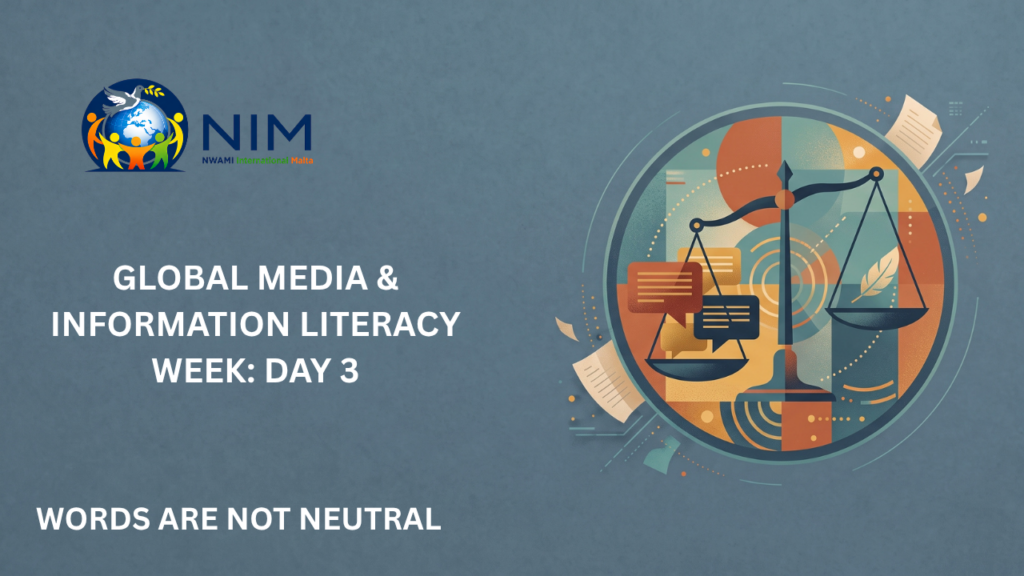
Words Are Not Neutral
The language that we use online and in our day-to-day lives can have a great effect on how we see other people and how included they feel in their community. The words that we use are never neutral because the way a story is framed can either create empathy or it can reinforce negative attitudes toward people.
Why is this a problem?
When people online, and media platforms, use harmful language to describe already marginalized communities, it can have an extremely negative impact and lead them to feelings of isolation. It is often emphasized that it is human nature to want to have a sense of belonging in your community, but frequent exposure to negative language can lead to a sense of isolation. Over time, negative language used online makes its way into the real world.
What are the effects of this and what needs to be done?
This has the consequence of normalizing problematic and hateful attitudes towards certain communities. In extreme cases, it even leads to physical violence and conflict. However, in the same way that words have the ability to cause harm and conflict, they can also be used to unite communities and create a culture of inclusivity. Critical thinking requires becoming conscious of how our own words affect others and paying attention to the tone and language used in the media we consume. Media literacy requires use to ask: Are the words I am reading and using being used to understand others, or are they being used as a weapon to divide us?
Discussion question: Have you ever noticed how the specific wording of a news headline or social media post changed your reaction to an issue, and what effect did that have on your perspective?